
Vitamin C is one of the most essential nutrients for daily wellness, yet many people fall short without realizing it. Because the body doesn’t store vitamin C, you need a steady supply to support immune function, collagen production, antioxidant protection, and healthy skin. Fortunately, increasing your intake isn’t complicated, as many everyday foods deliver meaningful amounts if you know what to look for.
In this article, we will explore the best whole-food sources of vitamin C, practical ways to add them to your meals, and how a supplement can help fill the gaps when life gets busy.
Why Vitamin C Matters
Before diving into specific foods, it’s worth understanding why vitamin C is so vital. As a dietitian would explain, vitamin C is:
- A key antioxidant, helping protect cells from free radical damage.
- Required for collagen synthesis and can help with collagen production, supporting skin, tendons, blood vessels, and wound healing.
- Important for iron absorption, especially plant-based iron sources.
- Crucial for immune defenses, helping maintain healthy white blood cell function.
Because vitamin C is water-soluble and quickly used or excreted, daily intake (not occasional bursts) is what truly matters.
Top Foods Rich in Vitamin C
1. Citrus Fruits (Oranges, Grapefruits, Lemons, Limes)
Citrus fruits are classic vitamin C sources for a reason. One medium orange delivers around 70 mg of vitamin C, almost the entire daily recommended intake for most adults.
Easy ways to add citrus:
- Squeeze lemon onto salads or grilled vegetables
- Add orange segments to breakfast bowls
- Use lime in marinades or sauces
Citrus also pairs beautifully with chicken, fish, and leafy greens, making it a simple flavor enhancer as well as a nutritional boost.
2. Berries (Strawberries, Raspberries, Blackberries)

Strawberries are particularly impressive, offering about 85 mg of vitamin C per cup. Berries also provide fiber, antioxidants, and polyphenols that support cardiovascular and gut health.
Try adding berries to:
- Oatmeal or yogurt
- Smoothies
- Homemade fruit salads
- Whole-grain pancakes
They freeze well too, meaning you can stock up and enjoy them year-round.
3. Kiwi
Kiwi is one of the most underrated vitamin C powerhouses. A single kiwi provides more than 60 mg, and two kiwis surpass the daily requirement with ease.
Kiwi works well in:
- Smoothies
- Sliced over breakfast bowls
- Paired with cottage cheese or Greek yogurt for a balanced snack
For an immune-supporting dessert, drizzle sliced kiwi with a bit of honey and top with toasted coconut.
4. Bell Peppers (Especially Red Peppers)
Red bell peppers contain more vitamin C per gram than oranges, with over 100 mg in just half a cup. They’re also rich in beta carotene, which supports skin health and vision.
Ways to use bell peppers daily:
- Stir-fries
- Omelets
- Hummus and veggie plates
- Stuffed peppers
- Sheet pan roast vegetables
Raw peppers deliver the most vitamin C, but lightly sautéing or roasting still preserves a meaningful amount.
5. Leafy Greens (Kale, Spinach, Swiss Chard)
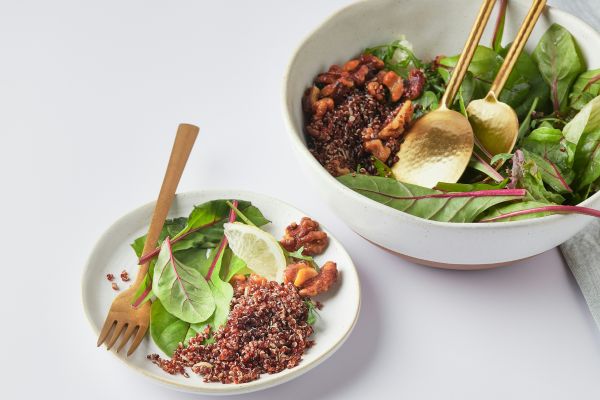
Though not as high in vitamin C as citrus, leafy greens provide a valuable combination of antioxidants, iron, and fiber. One cup of raw kale contains nearly 20 mg of vitamin C.
Add leafy greens to:
- Scrambled eggs
- Grain bowls
- Blended soups
- Smoothies (kale blends surprisingly well!)
Pairing greens with citrus enhances iron absorption, which is a great strategy for plant-based eaters.
6. Tomatoes and Tomato Products
Fresh tomatoes, sun-dried tomatoes, and even canned tomato sauce contain vitamin C. A medium tomato provides about 20 mg, and tomato-rich meals often contribute significant amounts across the day.
Try:
- Cherry tomatoes in salads
- Tomato-based soups or stews
- Homemade marinara
- Roasted tomatoes tossed with olive oil and herbs
Tomatoes also offer lycopene, an antioxidant linked to heart and skin health.
Practical Ways to Incorporate More Vitamin C
You don’t need to overhaul your diet to make a meaningful difference in your vitamin C intake. Instead, focus on small additions:
- Add fruit to breakfast every morning
- Keep bell peppers or berries washed and ready in the fridge
- Add lemon or lime juice to sauces, bowls, and beverages
- Include at least one fresh vegetable with both lunch and dinner
- Blend smoothies with citrus, kiwi, or berries
These small habits build up quickly and support daily nutrient goals.
Vitamin C Supplements: A Convenient Option for Busy Days

Even with the best intentions, not everyone has consistent access to fresh produce, especially during busy work weeks, travel, or seasonal changes. That’s where a high-quality vitamin C supplement can be a practical and reliable tool.
A clean, straightforward option, like this daily vitamin C supplement, offers vitamin C without unnecessary additives, giving you a dependable daily source when food alone isn’t enough. It’s especially helpful if you:
- Travel frequently
- Struggle to eat a variety of fruits and vegetables
- Have higher stress levels (which increase vitamin C needs)
- Want to support skin health, immunity, or recovery
Supplements shouldn’t replace whole-food nutrition, but they can be a smart way to close nutritional gaps and support your overall wellness routine.
Final Thoughts
Vitamin C plays a central role in immunity, collagen production, skin health, and overall wellbeing, and increasing your intake doesn’t need to be complicated. By incorporating citrus, berries, peppers, leafy greens, tomatoes, and kiwi into your daily meals, you can easily meet (or exceed) your needs through food.
And on the days when fresh produce isn’t available or your routine gets hectic, a high-quality vitamin C supplement can provide a simple, reliable safety net.